How Self-Help Ruined My Life
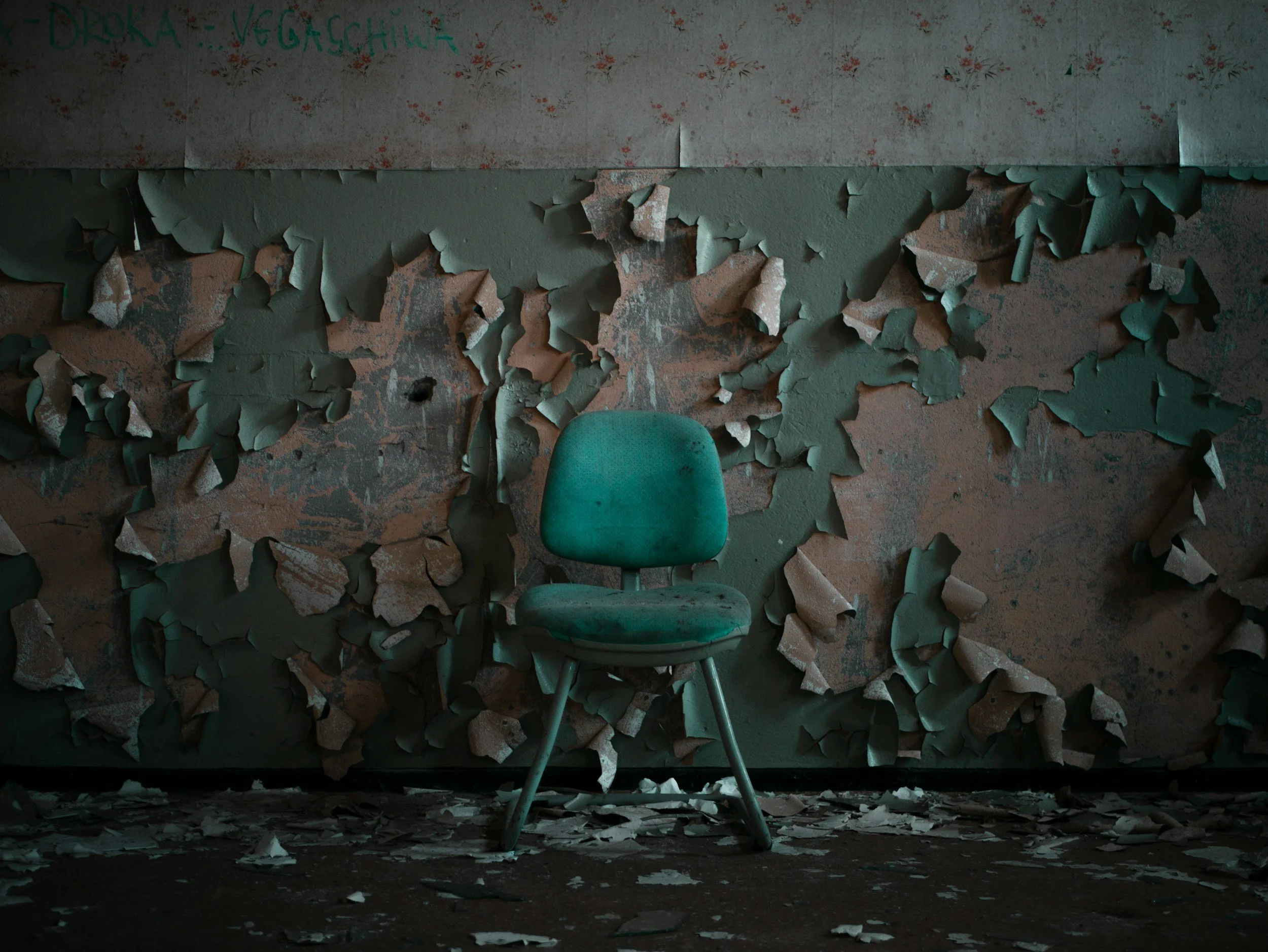
Photo by Julius Drost on Unsplash
Why self-help can’t fill the void.
During the summer of 2017, I started consuming self-help content. At first, it started as seeking out writing advice, because I was becoming serious about making writing a career. Quickly, I moved onto self-improvement. I started meditating because a friend told me that helped her with her stress. I kept up journaling, which I’d been doing for years. I tried following Christian devotionals. Honestly, that summer is still my favorite summer of my life. After years of being incredibly depressed, I felt like I was finally digging myself out of my hole. I was fighting my inherent negativity with positivity every day, and I felt like it was changing my life for the better.
I was becoming happier, and I really needed that.
But life does happen, whether you’re being positive or not. That same year, I was living in St. Thomas, where Hurricane Irma, a category 5 storm hit in September. I was able to get off island before the second category 5 storm, Hurricane Maria, came two weeks later. As much as I tried to be grateful that I’d been fine, and everyone I knew was safe, and I only had to experience one storm, and I was in the states for the rest of the semester while the island still didn’t have any power…I still couldn’t shake what had happened.
So I dove a little bit further into self-help. I found productivity channels, and I signed up for positivity newsletters, some of which only made me more anxious. One newsletter I read had a story from a cancer patient in her 60s who felt grateful for her situation when she saw that other cancer patients in her ward were in their 20s…and instead of reminding myself to be grateful that I wasn’t sick, I was only more anxious that I would get cancer. Especially since my grandma had just been through chemotherapy, and my aunt, who was in her late thirties, was about to go through radiation.
By the time I turned 18, I was really exhausted from everything I’d been through, and I was deconstructing my religious beliefs. I gave up on devotional materials after I read one that was about dealing with anxiety from a Biblical perspective. The creator of this devotional said, point-blank, “When you’re anxious, it means you don’t trust God.”
This statement, I feel, is the crux of most self-help material, even if it’s non-religious. It’s basically saying, “If you’re anxious, don’t be. If you feel bad about your life circumstances, you shouldn’t. It’s all happening for a reason.”
At this point, I took a heel turn away from religion as a whole. Though I’d believed in God at some point in my life, whatever personal relationship and intuition I’d felt with this being had been squandered through mass platitudes from church and Christian influencers as a whole. I hated how advice from Christians was often minimizing human experiences, to the point where blanket statements were contrary to real life. Before Irma came to St. Thomas, two Christian women told me to 1) “pray for the hurricane to go the other way,” and 2) to trust in God completely (you know, once the first prayer didn’t work), because “God is my Protector.” Never mind all the times other Christians have died. I guess God wasn’t their “Protector?” What does that even mean?
From my experience, being a good Christian seemed to mean burying your head in the sand, and being annoyingly positive to the point where you were just insensitive.
As I walked away from Christianity, feeling so much wiser, I was subconsciously seeking a replacement to fill the void that had forever buried itself within me. Before the hurricane, I had used my faith in Christianity to believe that everything was going to be okay. Somehow, I could feel a guarantee that I was going to live for a long time, and I was going to be completely happy and fulfilled. After Irma, I realized even the expression, “everything is going to be okay,” actually means nothing at all. Because everything ultimately ends in death. And in my mind, death was never okay. Death had never truly been in my plans until that year, and I was desperate to get it off my calendar.
Looking back, I thought everything and anything would save me from the pain I was feeling. I thought my writing would save me, if only I could finish a dozen projects and have them all become widely successful. So I tried really hard to emulate a specific writer’s process whom I looked up to, even though their process was completely the opposite of how I’d been writing before I found them. Tying my worth into becoming a young, famous writer nearly ruined my relationship with writing. What had once been a refuge for me was gradually becoming another unnecessary obligation, and another way to judge how low my value was because I couldn’t produce content at a high level yet.
Eventually, when I moved away from writing advice, I went hardcore into self-help YouTube channels. Everything from routines, to dopamine detoxes, to business advice that was obviously for people who already had businesses with actual employees. This was about more than being time-efficient to me. I made productivity my new god. If I could only get so many different things done, I would be okay, because I would finally feel like my life had purpose. There’s something about being aware of death that makes you really want a life purpose.
Like with Christianity, I felt attuned to a higher level of consciousness when I was doing well. In the case of productivity self-help, this meant I was checking all the boxes on my daily to-do list. When my new belief system would fail, though — when I wouldn’t check those boxes — my world would crumble all over again.
Eventually I would find my way back to some kind of spirituality. When I was 21, my grandma died, and I fell apart spectacularly. I lost a lot of friends and support I thought I’d have. I wasn’t completely alone, but I was more alone than I expected to be, and that only made my grief deeper. While the hurricane had reminded me that death could come for me at any time, losing my grandma, whom I’d been living with for a couple of years, was worse. Not only was I hyper-aware of how finite life is, but I was aware that life had changed in a way that could never be fixed. With an embezzlement, you can eventually recover your finances. When you survive a hurricane, you can slowly rebuild. When you lose someone to death…it’s just a void that will never go away. The grief echoes forever.
At some point, I stumbled upon tarot readers. I had never believed in psychics before, but I found a reader whose monthly horoscopes eerily lined up with my life. Once I accepted I believed in something again, life felt exciting, like there truly was a purpose.
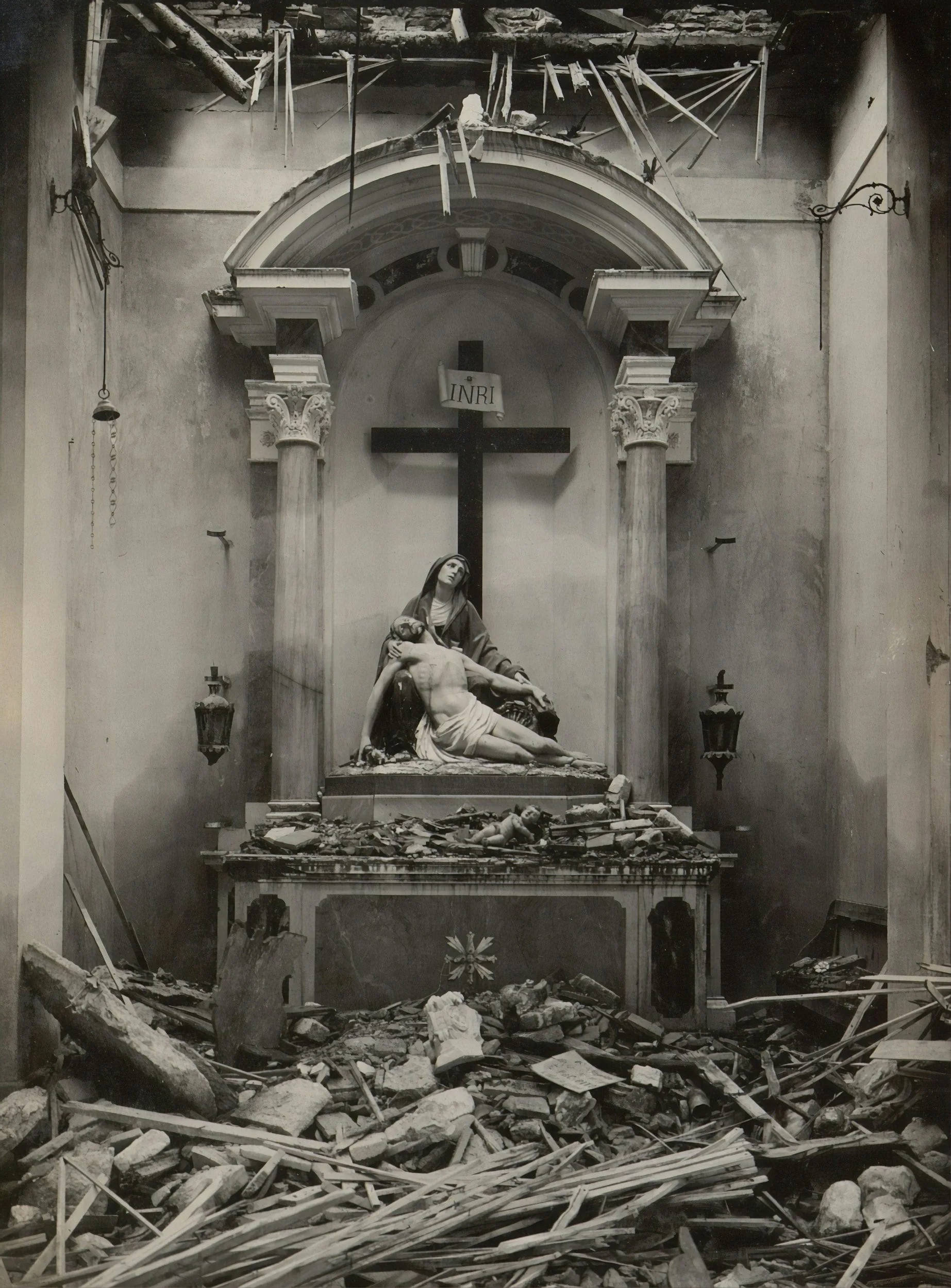
Photo by Austrian National Library on Unsplash
You know the pattern at this point. I am not meant to have a god. Though I never worshiped tarot, I worshiped the futures that were promised. The idea that a potential romantic option from the past would come back and beg for forgiveness; or maybe someone who betrayed me would get exposed, and I’d feel this healing vindication I needed; or maybe I could even get the recognition and success I always wanted from my writing.
Even when I’ve found some tarot readings to be accurate, the most extraordinary things I hope for never come true.
Certainty and control, a formula for life and accomplishment, is what a lot of people are seeking from most forms of self-help content. In my opinion, we are just seeking to fill the void and become someone else, someone who’s not grieving and exhausted by life.
Self-improvement is great. It just won’t fill the void you feel. I suppose this is when spiritual people say God is the answer, but I doubt that spiritual people feel completely whole in this world outside of meditation or prayer. Anyone can feel temporarily whole through those practices, but this world overall isn’t, and never has been, set up to make you feel like anything is enough. The void is a part of the human experience that has always existed. It’s not new, it doesn’t stem from social media or capitalism (though those factors do make the void bigger). If the past had truly been so amazing, we wouldn’t have sought advancement in the first place. Maybe that’s why we feel this void, because we’re always seeking more. That’s not necessarily wrong, it just amplifies suffering. Self-help material is about trying to get rid of that suffering…by continuing to reach and achieve.
We can’t find our purpose through other people, things, or ideas. We may never be able to erase ourselves, our voids. I tried to erase my painful experiences through religion. I tried to emulate someone else’s writing process, which destroyed my favorite outlet for myself. I tried to gaslight myself into assimilating into hustle culture. And when I tried to hope for a fantastical future through tarot, as I had through Christianity for most of my life, I just lost God over and over again.
All of these processes kept me feeling lost and broken. Why can’t I be a naturally optimistic person? Why can’t I follow through on my writing? Why can’t I just work so hard so that other people can say I have a great work ethic? Why can’t I ever feel like I am enough for myself?
There is some great, well-meaning advice across all these topics. I pursued self-help content because for a long time I felt that it was better to be improving, even if the advice was flawed, then writing off self-improvement altogether. I still agree with that. I just think that sometimes we consume this content because we don’t feel like we’re enough. We don’t feel like living is enough.
This isn’t for the people that don’t feel this way, the people who don’t have an unhealthy obsession with self-improvement. This is for the people who know they have been trying for so long to become the person they think they should be, and who are trying so hard to create the lives they think they should have. This life is hard enough. I think we’ll never escape the void once it’s there. But maybe our lives will get better if we finally stop trying to fill them with things that we ultimately don’t need.
Forget the hardcore motivational speakers yelling at you to get 4 hours of sleep for a second. What did your younger self really need? Become the person your younger self needed.
What I really needed was to let myself be okay with exactly who I was. But that’s a story for a different day.